
Business
Which Is The Best Wood Cutting Board For Your Kitchen?
A perfect kitchen relies on quality tools, and when it comes to food preparation, the cutting board is the heart of every culinary action. Have you ever wondered why professional chefs always stick to natural wood? It is more than just a surface for chopping; finding the best wood cutting board will completely transform your cooking experience. It protects the sharpness of your expensive blades while adding a rustic, durable touch to your daily routine.
Whether you are looking for the self-healing properties of an end-grain structure, the excellent moisture resistance of teak, the warm aesthetics of acacia, or the sophistication of walnut, understanding your specific needs is the first step. Let’s explore these top-tier wood cutting boards to find the perfect companion for your kitchen.
In-Depth Analysis of Top Cutting Board Materials
Selecting the perfect surface for your culinary workspace requires a deep understanding of how different natural materials interact with your daily tools, ingredients, and maintenance habits. To help you make the most informed decision for your kitchen setup, here is a highly detailed breakdown of the four primary materials. Each subsection explores its structural mechanics, practical advantages, everyday use-cases, and maintenance profile so you can see exactly why it is considered the best wood cutting board in its respective category.
A. The Best End-Grain Wood Cutting Board
When examining the end-grain construction, you will find a design that stands at the absolute pinnacle of culinary preparation, prized by both professional chefs and advanced home cooks.
Unlike traditional edge-grain or face-grain surfaces—where the wood planks run horizontally—the fibers in an end-grain board run vertically rather than horizontally. The wood blocks are carefully cut, arranged, and joined so that the growth rings face upward, exposing the dense cross-section of the raw material. When a chef’s knife comes down on this surface, the blade slips between the dense fibers instead of cutting straight across them.
Why it is a top contender:
- Unmatched Blade Preservation: Because the blade meets the wood vertically, it does not experience a dulling impact, making this the best wood cutting board for protecting expensive, high-end forged steel knives.
- Natural Self-Healing Properties: The vertical orientation of the fibers allows them to naturally spring back into place after being scored by the knife, minimizing deep gouges and keeping bacteria from settling into tiny crevices.
- Heavy-Duty Stability: The sheer mass and thickness of these blocks provide a heavy, non-slip foundation that will not slide around while you are chopping hard or large ingredients.
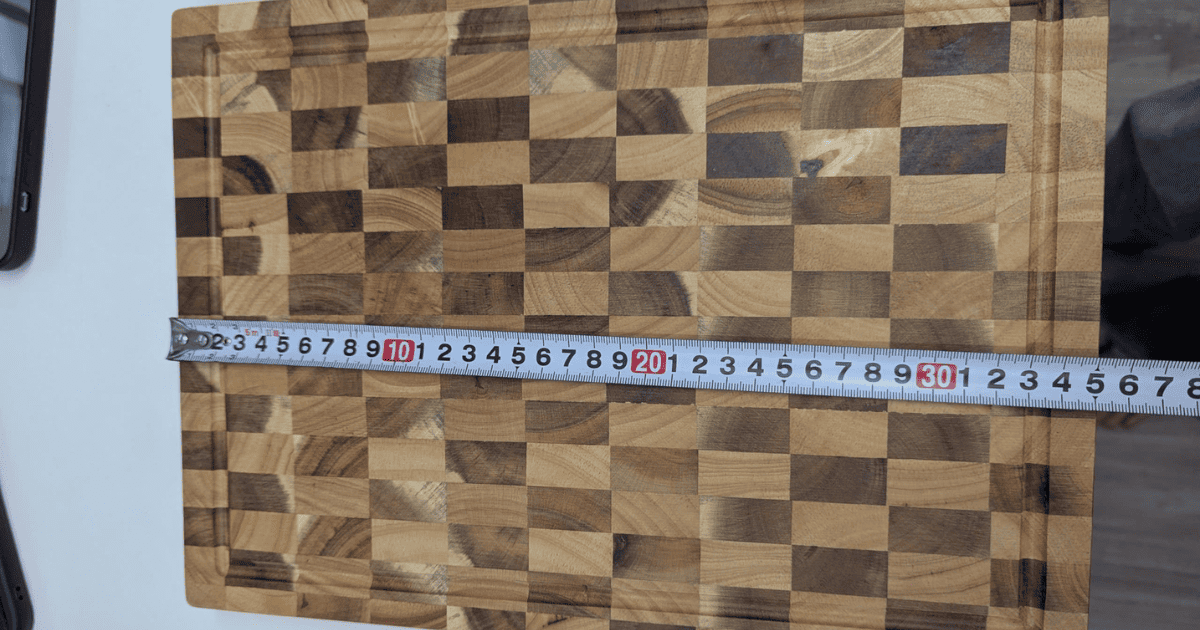
Key considerations:
- Drawbacks: The complex manufacturing process and dense assembly make the block remarkably heavy, which can make it difficult to maneuver when cleaning or transferring ingredients. It also comes with a premium price tag.
- Maintenance Profile: Requires more frequent oiling and conditioning to prevent the vertical fibers from absorbing excessive moisture and cracking.
- Target Audience: Serious culinary enthusiasts and professionals who view their kitchen tools as a long-term, high-performance investment.
B. The Best Teak Wood Cutting Board
Moving to materials naturally endowed with heavy-duty resilience, tropical teak wood stands out as a true powerhouse for everyday, high-traffic kitchens.
Teak is a tropical hardwood naturally saturated with high levels of organic oils and microscopic silica. These components function as an innate, structural shield against moisture and external elements. Because of this specialized chemical composition, the wood repels liquids incredibly well and prevents the structural warping or splitting that often occurs when a surface is constantly washed in a busy environment.
Why it is a top contender:
- Exceptional Moisture Resistance: The natural oils make the board highly resistant to water absorption, preventing the growth of mold and mildew, which makes it the best wood cutting board for dealing with wet, messy ingredients such as raw meat, seafood, and juicy produce.
- Optimal Density and Feel: It provides a solid and stable surface that absorbs the impact of the knife without damaging the cutting edge or dulling the blade prematurely.
- Longevity: Teak has a long lifespan even with rigorous daily use and multiple washings.
Key considerations:
- Drawbacks: Because it undergoes frequent cleaning, the natural oil barrier will eventually deplete, and you must apply mineral oil periodically to keep it intact and prevent the wood from drying out.
- Maintenance Profile: Requires regular oil treatments and thorough drying after washing to maintain its structural integrity over the years.
- Target Audience: Cooks who frequently prepare wet, high-volume ingredients and wash their kitchen equipment multiple times a day.
C. The Best Acacia Wood Cutting Board
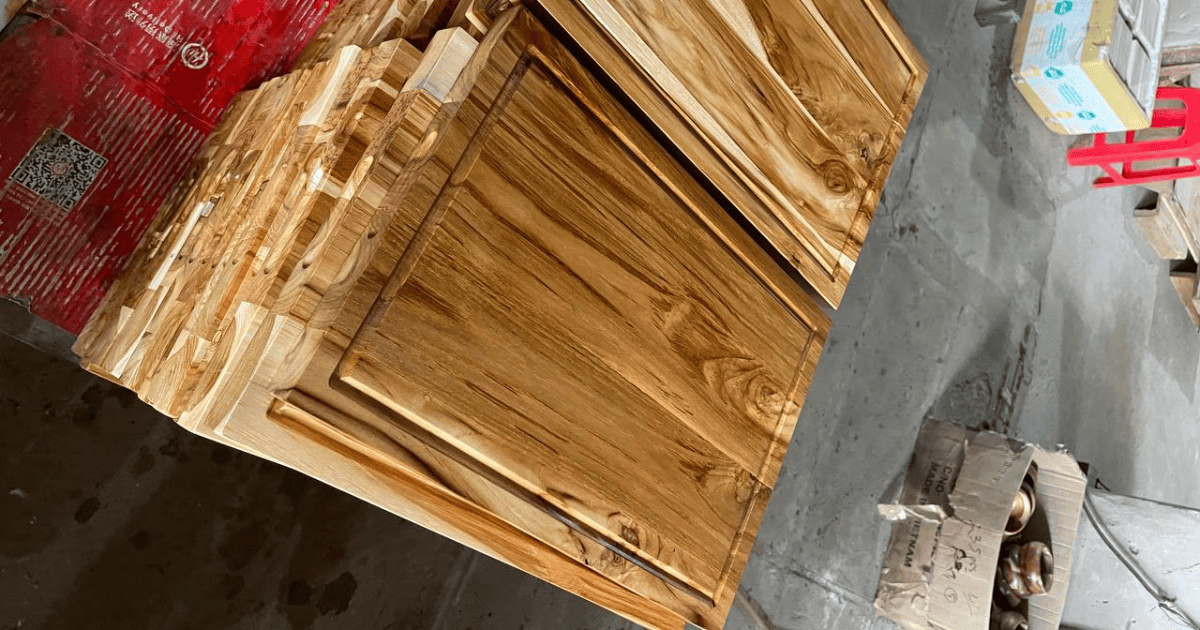
If you are looking for a harmonious blend of striking aesthetics and reliable, daily durability, acacia wood is an outstanding alternative that offers excellent utility without an overwhelming financial commitment.
This dense, sturdy hardwood is celebrated for its dynamic, varied grain patterns and rich, warm tones that can instantly elevate the visual appeal of any countertop space. The natural contrast within the grain gives each piece a distinct, rustic charm that works beautifully both as a preparation station and as an attractive serving board.
Why it is a top contender:
- Stunning Visual Appeal: The dramatic contrast in the grain adds a touch of rustic warmth to your countertops, doubling as an eye-catching piece of kitchen decor.
- Value for Money: It offers a premium look and reliable everyday durability at a much more accessible price point compared to exotic or end-grain blocks, making it the best wood cutting board for budget-conscious users.
- Good Edge Protection: The wood is dense but forgiving enough to prevent your chef’s knives from dulling quickly during general chopping tasks.
Key considerations:
- Drawbacks: Acacia tends to be slightly lighter than thick end-grain blocks, which means it might slide on smooth countertops during heavy, forceful chopping motions.
- Maintenance Profile: Standard routine oiling is necessary to preserve the wood’s color depth and prevent it from fading.
- Target Audience: Everyday home users who desire an attractive, multi-purpose tool that fits a balanced budget while still looking premium in an open kitchen.
D. The Best Walnut Wood Cutting Board
For those who prioritize a refined, sophisticated design and a luxurious tactile experience, a walnut wood surface is an exceptional choice that brings elegance to the culinary workspace.
Walnut is a rich, dark-toned hardwood characterized by a very fine, tight texture and a slightly softer surface density compared to other choices. This softer density provides a highly satisfying, cushioned feel under the blade, which is exceptionally gentle on delicate knife edges.
Why it is a top contender:
- Unrivaled Aesthetics: The deep chocolate tones provide a luxurious, sophisticated contrast that elevates modern, minimalist, or open-concept kitchen designs perfectly.
- Smooth Cutting Feel: The natural softness of walnut makes it gentle on blades, securing its place as the best wood cutting board for precision slicing, delicate herb preparation, and delicate prep tasks.
- Dual-Purpose Utility: Its upscale appearance makes it ideal for serving charcuterie, cheeses, and appetizers directly to guests.
Key considerations:
Target Audience: Individuals who value refined culinary aesthetics and wish to use their prep board as an elegant serving platter for guests during gatherings.
Drawbacks: The dark finish means that surface scratches and knife marks may become slightly more visible over time compared to lighter woods, requiring consistent conditioning.
Maintenance Profile: Needs consistent oiling to maintain a flawless, deep-toned appearance and to seal the pores against stains from colorful ingredients like beets or berries.
Quick Comparison Table
While each material has its own unique strengths, comparing them side-by-side allows you to prioritize what matters most in your kitchen, whether it’s budget, blade protection, or water resistance. Below is a detailed breakdown to help you identify the best wood cutting board across several critical performance metrics.
Performance & Value Matrix
| Wood Type | Structural Durability | Moisture Resistance | Knife-Friendly Score | Price Range |
| End-Grain | Very High – Handles heavy daily chopping without deep scarring. | Medium – Requires consistent sealing due to open vertical fibers. | Very High – The ultimate surface for high-end, forged steel blades. | High – An investment piece for serious culinary enthusiasts. |
| Teak | High – Robust and sturdy enough for most heavy kitchen tasks. | Very High – Naturally repels water thanks to high oil and silica content. | High – Gentle on edges while providing a stable cutting surface. | Medium – High – Reflects the premium quality of imported tropical timber. |
| Acacia | Medium – Reliable for daily home cooking and general meal prep. | Medium – Standard resistance; needs proper drying after every wash. | High – Surprising performance that keeps your utility knives sharp. | Low – Medium – The most accessible price point for high-quality wood. |
| Walnut | High – Strong and dense, though slightly softer than teak. | Medium – Can absorb liquids if not oiled; prone to staining from dark juices. | Very High – Offers a soft, “cushioned” feel that protects delicate edges. | High – Premium pricing due to its luxury aesthetic and slow growth. |
Maintenance Guide for Your Best Wood Cutting Board
To ensure that your investment in the best wood cutting board remains in pristine, high-performing condition, proper maintenance of the best wood cutting board is an absolute necessity. Wood is a natural, highly porous material that actively responds to changes in moisture, temperature, and heavy daily usage. Neglecting the proper care and maintenance of your best wood cutting board can lead to warping, cracking, or bacterial accumulation.
Below is a highly detailed, comprehensive maintenance framework designed specifically to maximize the lifespan, hygiene, and aesthetic appeal of your best wood cutting board.
A. Initial Conditioning and Seasoning of the Best Wood Cutting Board
Before your best wood cutting board touches its first ingredient, you must season the wood. This process fills the porous grain, repels water, and creates a strong protective barrier against liquids and food-borne stains.
- Applying Food-Grade Mineral Oil: Warm the food-grade mineral oil slightly. Apply a generous, heavy amount onto the surface of the best wood cutting board using a clean, soft cloth. Massage the oil into the wood of the best wood cutting board, letting it sit for a minimum of 4 to 6 hours (or overnight) so the wood fibers can absorb the oil deeply. Wipe away the excess oil with a dry microfiber cloth to keep your best wood cutting board looking sleek.
- Beeswax or Board Butter: For an extra layer of structural protection for the best wood cutting board—especially for end-grain or teak models—apply a premium mixture of mineral oil and beeswax. This board butter seals the grain completely, creating a hydrophobic layer that prevents liquids from seeping into the best wood cutting board.
- Seasoning Frequency: Repeat this process daily for the first week, and then once a month to keep your best wood cutting board looking and performing at its absolute peak.
B. Daily Cleaning and Sanitization of the Best Wood Cutting Board
After every single use, especially when handling raw meat, seafood, or wet ingredients on your best wood cutting board, proper cleaning is critical to both food safety and surface longevity.
- Hand Washing: Always wash the best wood cutting board by hand using warm water and a mild, antibacterial dish soap. Scrub the surface of the best wood cutting board gently using a non-abrasive sponge.
- Removing Odors and Stains: If the best wood cutting board absorbs strong food odors (like onion or garlic), sprinkle coarse salt over the surface and rub it with a slice of lemon. This natural method sanitizes and neutralizes odors without damaging the wood grain of the best wood cutting board.
- Critical Restrictions:
- Never use the dishwasher: The intense, high heat and prolonged moisture inside a dishwasher will warp, split, and completely ruin the best wood cutting board.
- Never submerge or soak: Soaking your best wood cutting board in the sink ruins the structural integrity of the glued joints, causing the wood to swell, crack, and separate.
C. Wood-Specific Maintenance for the Best Wood Cutting Board
Different materials in the best wood cutting board category require slightly different approaches to maintain their structural and aesthetic qualities over time:
- End-Grain Models: Due to their vertical fiber structure, these variations of the best wood cutting board drink oil very quickly. Season them more frequently, perhaps once a week during the first month, to ensure the fibers of the best wood cutting board remain fully saturated.
- Teak Models: Maintain the natural oil barrier by treating the best wood cutting board with mineral oil every 3 to 4 weeks. Always ensure the silica-rich surface of the best wood cutting board is wiped clean of acidic fruit juices to prevent discoloration.
- Acacia Models: To prevent the wood grain of your best wood cutting board from fading under bright light, keep it out of direct sunlight and condition the best wood cutting board with mineral oil or specialized board wax monthly.
- Walnut Models: To prevent scratches and stains from becoming overly apparent, apply board butter or beeswax regularly to the best wood cutting board. This keeps the deep chocolate color of the best wood cutting board vibrant and resilient against daily chopping.
D. Storage and Airflow for the Best Wood Cutting Board
Proper storage ensures that your best wood cutting board dries completely on all sides and retains its shape without warping:
- Drying Rack and Air Circulation: Place the best wood cutting board on a vertical drying rack or a stand that allows air to circulate on both sides. This ensures that both the top and bottom of the best wood cutting board dry evenly.
- Hanging Storage: If your best wood cutting board features a built-in handle or a hanging loop, use a sturdy hook to hang it in a cool, well-ventilated area of your kitchen.
- Temperature Control: Avoid placing the best wood cutting board near stoves, ovens, or heaters. Extreme temperature changes and low humidity cause the best wood cutting board to expand and crack over time.
Conclusion
Selecting the ideal cutting board is far more than a simple kitchen purchase; it is a long-term investment in a culinary masterpiece that defines your craft and elevates your daily food preparation. Whether you need the professional, self-healing endurance of the End-Grain Pro series to protect your finest blades, or the robust, moisture-defying strength of the Teak Shield when prepping juicy and fresh ingredients, the material truly matters. You might prefer the rustic warmth and everyday utility of the Acacia Charm, or the breathtaking, dark-toned luxury of the Walnut Elegance to elevate your serving presentations. Whatever your choice, the right board transforms your entire kitchen experience into a true studio of flavors.
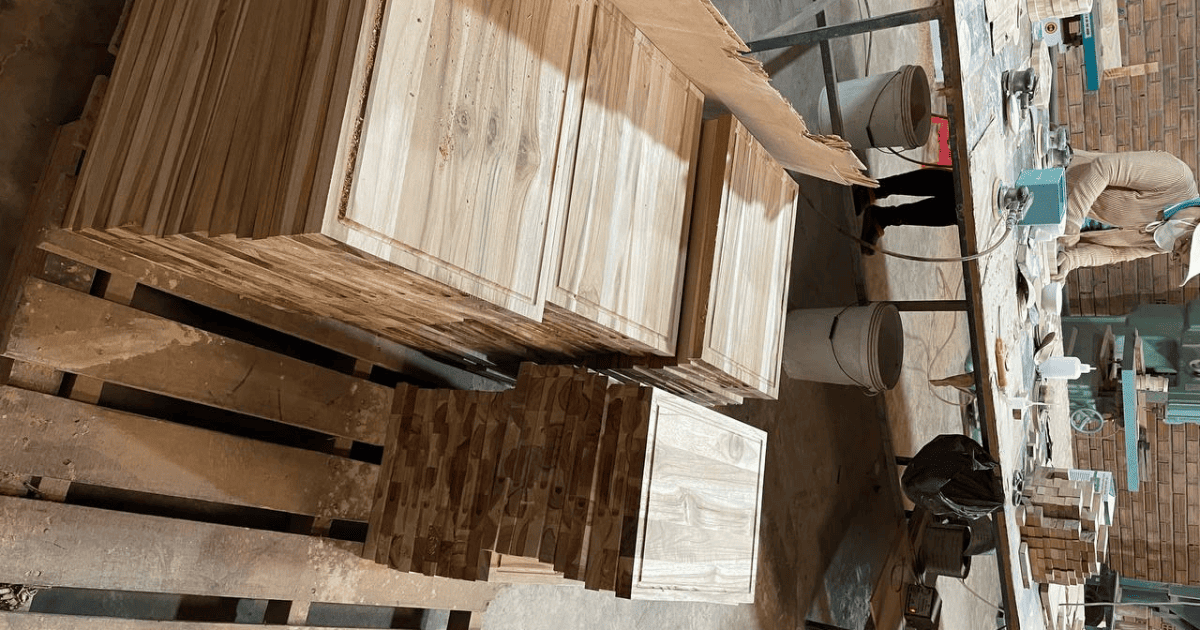
At UTIOR, we pour that same passion into every single piece we create. As a direct manufacturer of export-standard kitchenware, we oversee the entire journey of our products with uncompromising attention to detail, managing everything from sustainable timber sourcing to our flawless, food-safe finishes. This commitment ensures you receive unparalleled durability, hygiene, and performance for years to come. Explore our signature collections and bring professional-grade quality to your home today by visiting our official website to discover the perfect surface for your kitchen.